


Hot water is one of those household necessities that is easy to take for granted until the water turns lukewarm, the tank starts making strange noises, or the utility bill creeps upward. Regular water heater flushing can help prevent some of these problems by removing sediment that naturally collects inside a tank-style water heater. For many Maple Valley households, scheduling this maintenance about once a year is a practical way to protect performance, identify developing problems, and potentially extend the useful life of the equipment.
Why Does Sediment Build Up in a Water Heater?
Every time fresh water enters a water heater, it can carry dissolved minerals and small amounts of debris. As the water is heated, some of those materials settle toward the bottom of the tank. Over months and years, the sediment layer can become increasingly substantial.
The amount of buildup varies by household. Water quality, water-heater temperature, household water consumption, and the age of the unit can all affect how quickly sediment accumulates. A busy household that uses significant amounts of hot water may experience different maintenance needs than a smaller household with lighter demand.
Sediment is not simply something sitting harmlessly at the bottom of the tank. In a gas water heater, a thick layer can interfere with efficient heat transfer between the burner and the water. Electric units can experience mineral buildup around heating elements. Our water heater repair services can also address performance problems that become apparent when routine maintenance reveals worn or failing components.
Is Annual Water Heater Flushing Really Necessary?
For many conventional tank-style systems, annual maintenance is a reasonable general schedule, but the appropriate interval can depend on the equipment and water conditions. Manufacturer recommendations should always be considered because maintenance requirements vary between models.
The important point is consistency. Waiting several years between service visits can allow significant sediment to accumulate. Once buildup becomes severe, flushing may not restore the water heater to its original condition, particularly when corrosion, damaged components, or extensive mineral deposits are already present.
Maple Valley homeowners should also remember that flushing is only one part of water-heater maintenance. A professional service appointment provides an opportunity to evaluate the overall condition of the system rather than simply draining water from the tank.
What Happens During Professional Water Heater Flushing?
The exact process depends on the type and condition of the water heater. Generally, the unit is safely shut down, the water supply is controlled, and a hose is connected to the drain valve. Water is then drained from the tank so accumulated sediment can be removed.
The technician may use additional water to help move loose sediment out of the tank. Once the flushing process is complete, the tank is refilled and the system is returned to service according to the proper procedure for that equipment.
Safety is a major reason to have this work handled professionally. Water inside a heater can be hot enough to cause serious burns, and gas and electric systems each require appropriate shutdown and restart procedures. Professional residential plumbing services also allow other plumbing concerns to be evaluated while the water heater is being serviced.
Flushing Versus Complete Water Heater Maintenance
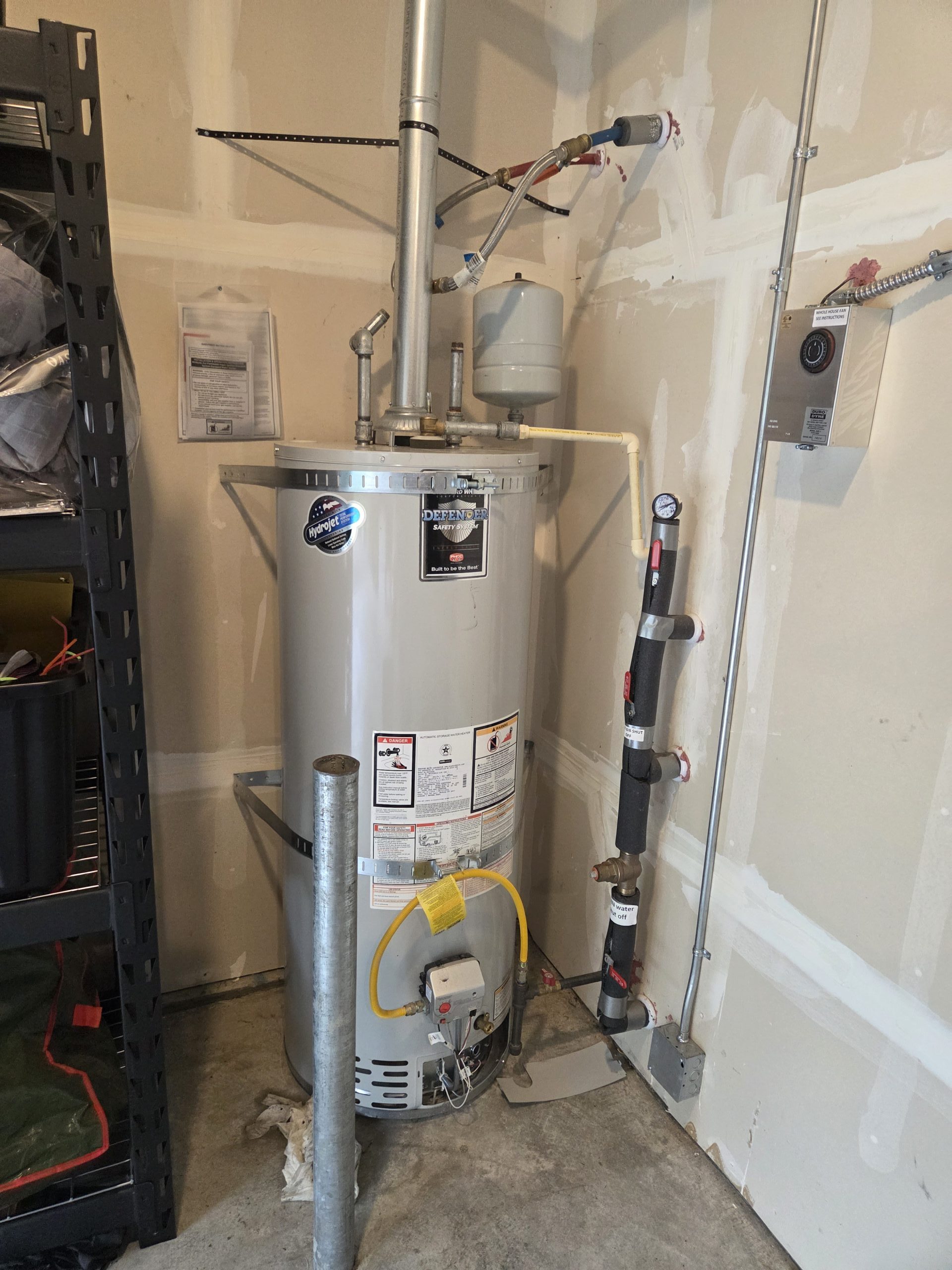
Flushing addresses sediment, but comprehensive maintenance looks at the water heater as an entire system. Depending on the unit, a plumber may inspect accessible connections, valves, the temperature and pressure relief valve, signs of corrosion, drainage components, and other important parts.
This distinction matters because a clean tank does not automatically mean a healthy water heater. A unit could have a deteriorating component, moisture around a connection, unusual combustion concerns, or signs of tank corrosion even if sediment buildup is limited.
Professional maintenance also gives homeowners an opportunity to discuss changes in performance. If hot water runs out faster than it once did, temperatures fluctuate, or unusual sounds have developed, those details can help guide the inspection.
Warning Signs That Maintenance Should Not Wait
An annual schedule is useful, but certain symptoms justify calling a plumber sooner. Rumbling, popping, or knocking noises can occur when sediment has accumulated inside the tank. Discolored hot water, inconsistent temperatures, reduced hot-water capacity, or visible moisture around the unit also deserve attention.
A leaking water heater requires especially prompt evaluation. The source could be a fitting, valve, drain connection, or another serviceable component, but leakage from the tank itself can indicate more serious deterioration. Knowing the signs a water heater needs replacement can help homeowners distinguish routine maintenance concerns from problems that may require planning for new equipment.
Can Flushing Help a Water Heater Last Longer?
Routine maintenance cannot guarantee a specific lifespan, but reducing sediment buildup can help eliminate one source of unnecessary stress on the system. A water heater that must work through substantial mineral deposits may operate less effectively, and neglected maintenance can allow small problems to remain unnoticed.
Maintenance can also save money by identifying concerns before they develop into more disruptive plumbing problems. Replacing a worn component or correcting a minor connection issue is a very different situation from discovering extensive leakage and water damage after a failure.
For Maple Valley homeowners, that preventive approach can be particularly valuable when a water heater is located in a garage, utility closet, basement, or another area where a leak could affect surrounding materials or belongings.
Frequently Asked Questions
How often should a water heater be flushed?
Many tank-style water heaters benefit from flushing about once a year, although the ideal schedule can vary based on water quality, household usage, equipment type, and manufacturer recommendations.
What are the signs of sediment buildup in a water heater?
Rumbling or popping noises, reduced hot-water capacity, inconsistent temperatures, and declining performance can indicate sediment buildup. A professional inspection can determine whether flushing or another service is appropriate.
Can you flush a water heater that has never been maintained?
Possibly, but an older water heater that has gone years without maintenance should be evaluated before flushing. Heavy sediment, corrosion, leaks, or a deteriorated drain valve may affect the safest and most practical service approach.
Does flushing a water heater improve efficiency?
Removing accumulated sediment can improve heat transfer in some tank-style water heaters and reduce unnecessary strain associated with heavy buildup. The overall condition and design of the unit also affect efficiency.
What else should be checked during water heater maintenance?
Professional maintenance may include checking accessible connections, valves, the temperature and pressure relief valve, signs of corrosion, drainage components, and the overall condition and performance of the water heater.
When Flushing May Not Be the Right First Step
There are situations in which automatically flushing an older, neglected water heater may not be the best approach. A plumber should consider the age and condition of the equipment before proceeding, especially when the tank has not been maintained for many years.
Heavy corrosion, existing leaks, a damaged drain valve, or significant performance problems may change the recommendation. In some cases, investing in repeated repairs on an aging unit may provide less value than planning for replacement.
Homeowners considering water heater installation can benefit from having the existing system professionally evaluated first. Age alone does not determine whether replacement is necessary, but age combined with corrosion, leakage, declining performance, and repeated repair needs can provide a clearer picture.
Make Water Heater Maintenance Part of Your Plumbing Plan
Water heater maintenance is easier to manage when it becomes part of a regular household service schedule rather than something addressed only after hot water disappears. Keeping track of the unit’s age, previous maintenance, repair history, and changes in performance can also help a plumber make better-informed recommendations.
For a newer system, routine service can establish a useful maintenance history. For an older unit, inspections can help homeowners anticipate replacement instead of being surprised by a sudden failure. The goal is not to replace equipment unnecessarily. It is to understand its condition and make decisions before an emergency limits the available options.
If it has been about a year since your last water heater flushing, you cannot remember when the tank was last serviced, or your system is showing signs of sediment buildup, All About Plumbing can help. Maple Valley homeowners can call All About Plumbing at (425) 657-3557 to schedule professional water heater flushing and have the system evaluated for maintenance or repair concerns before they become larger problems.
